Ni Calco Ni Copia
Senate House Library, University of London
Artist in Residence at Senate House Library, 2026
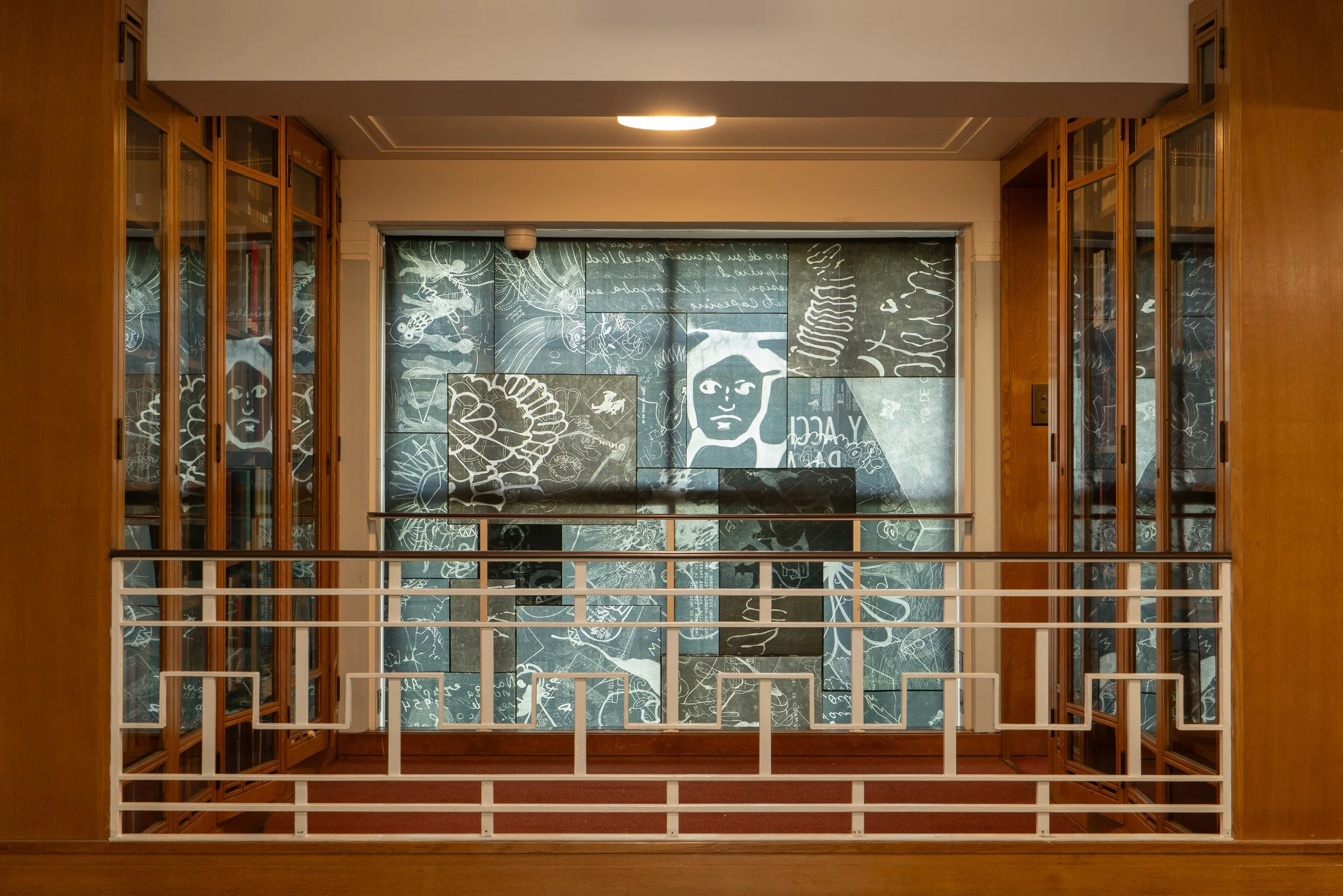
Installation View, Sterling Library
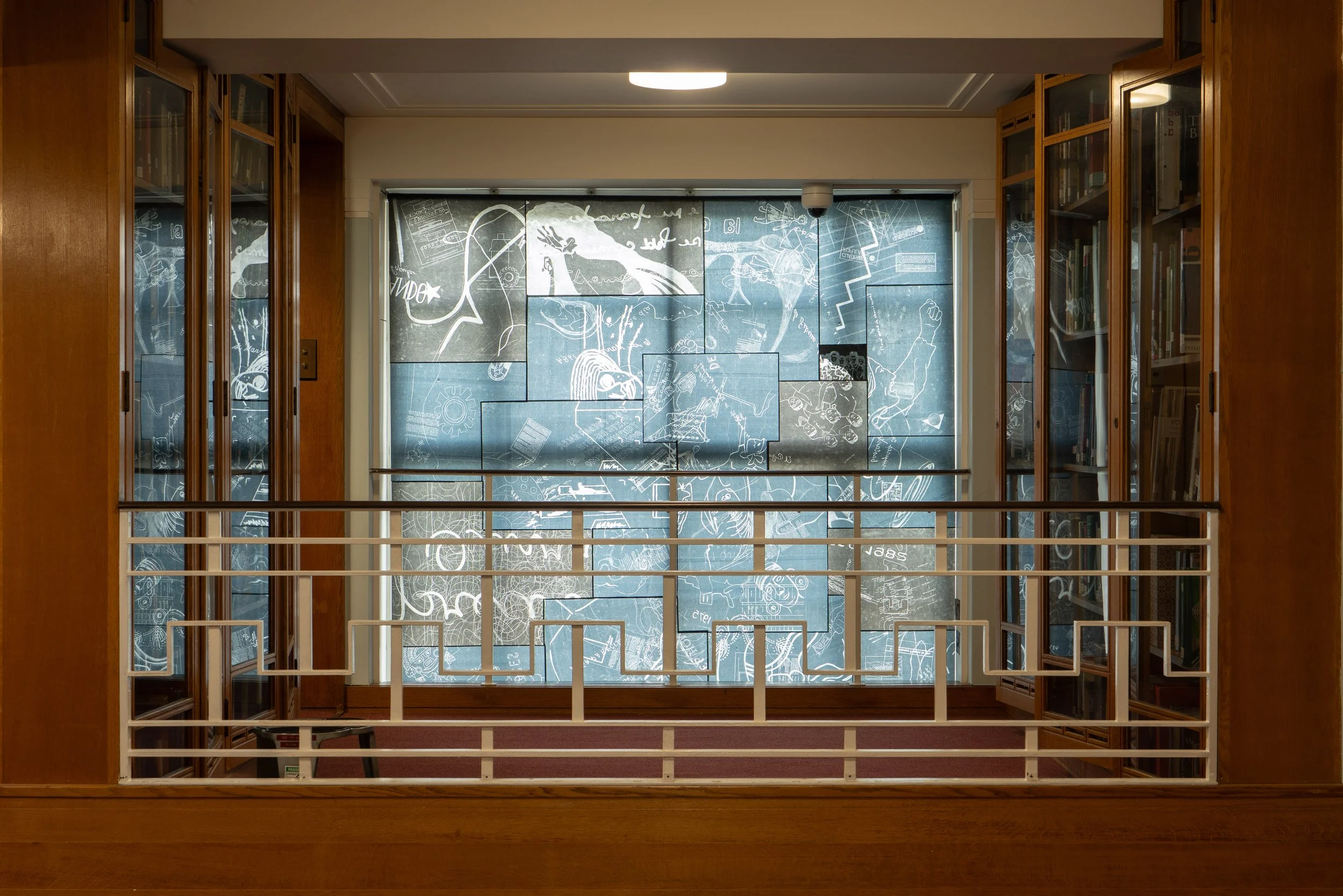
Installation View, Sterling Library
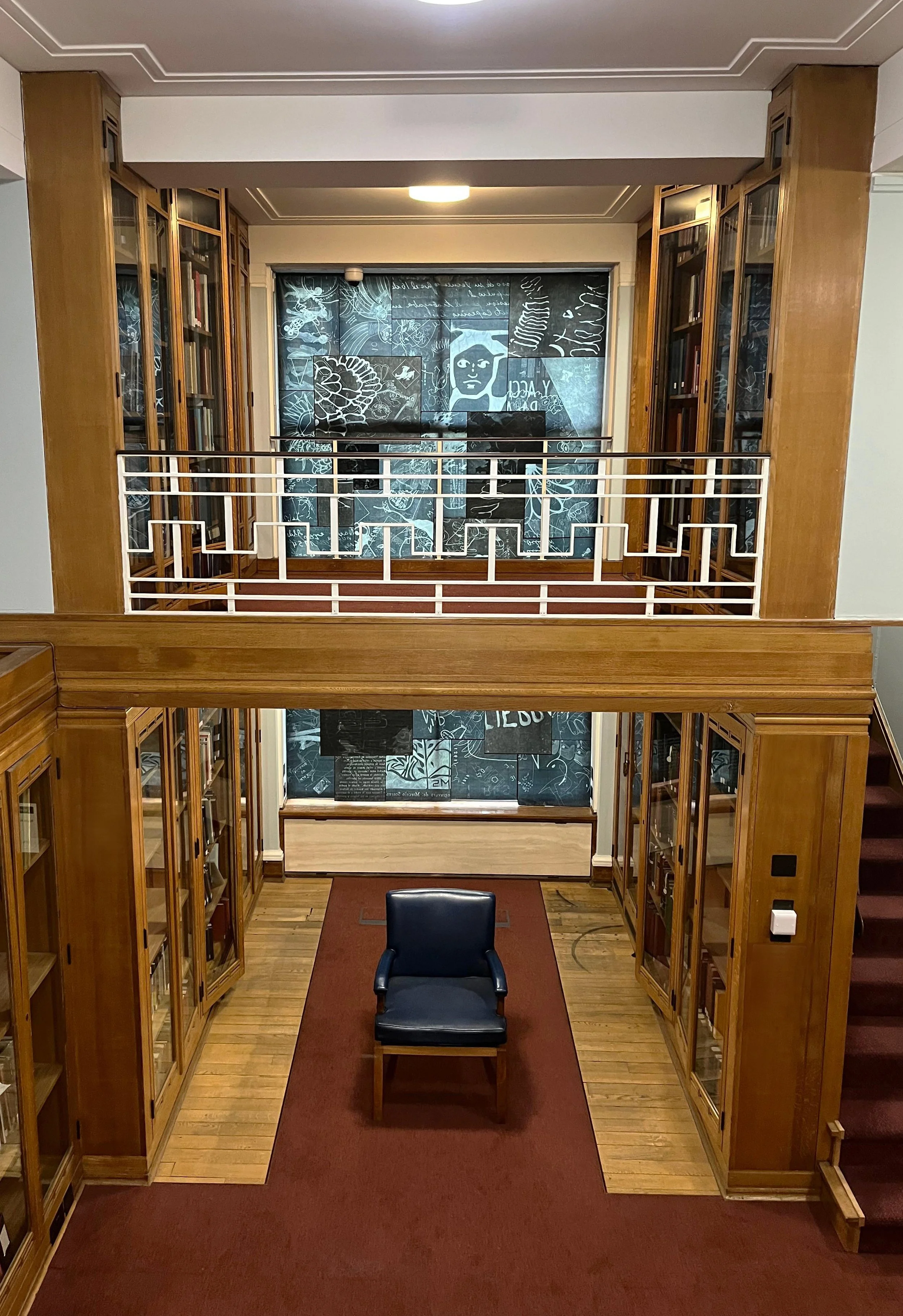
Installation View, Sterling Library
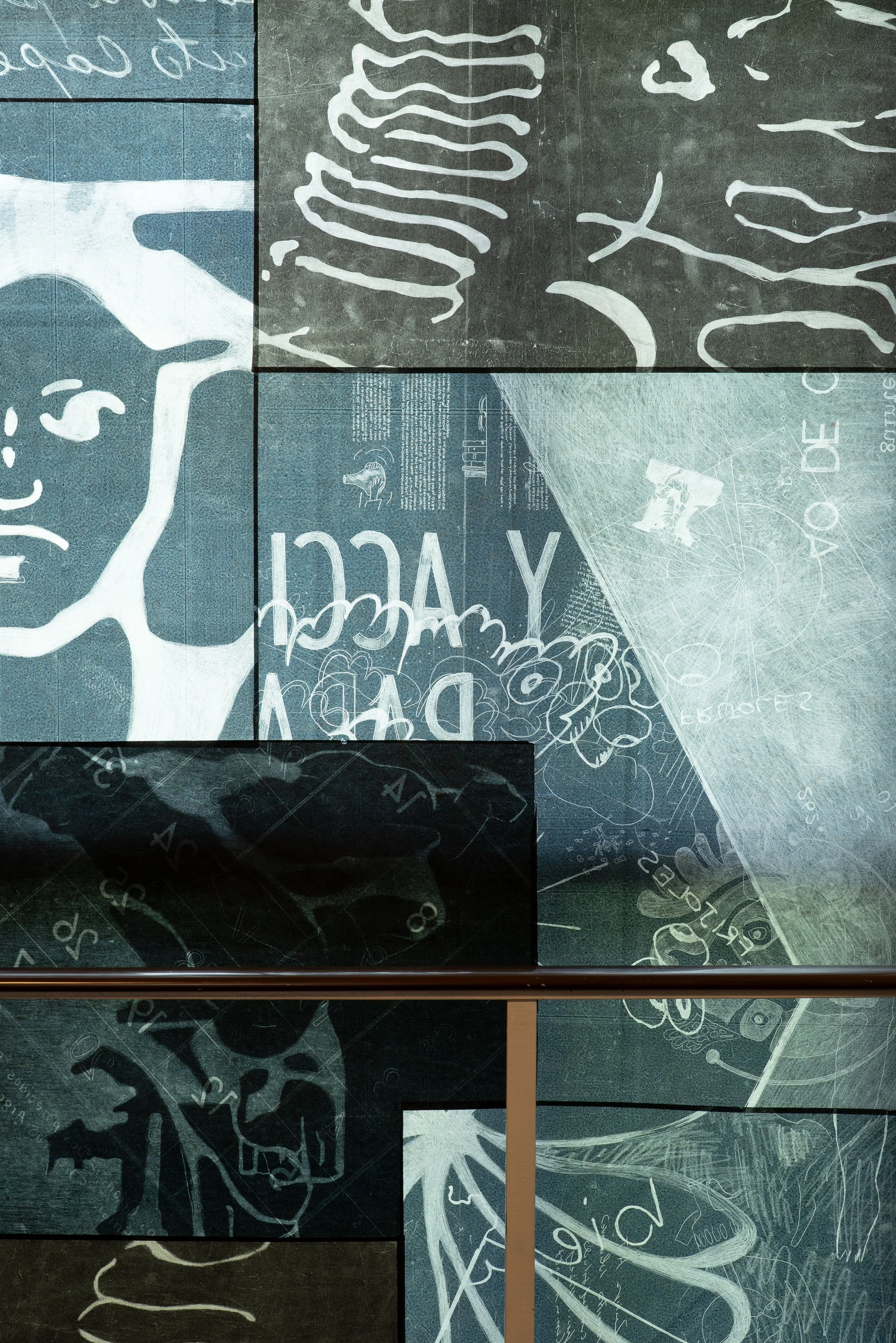
Detail
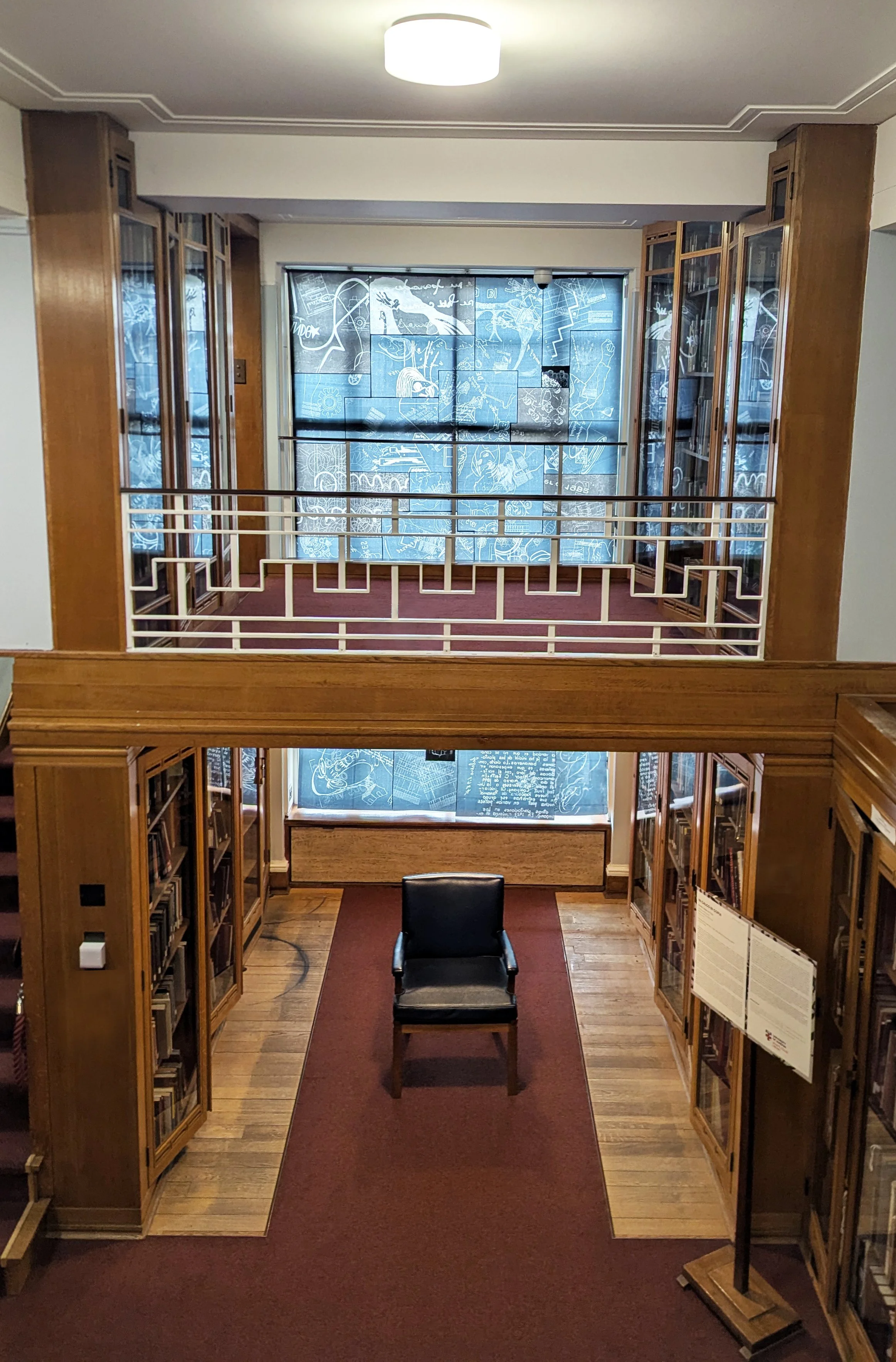
Installation View, Sterling Library
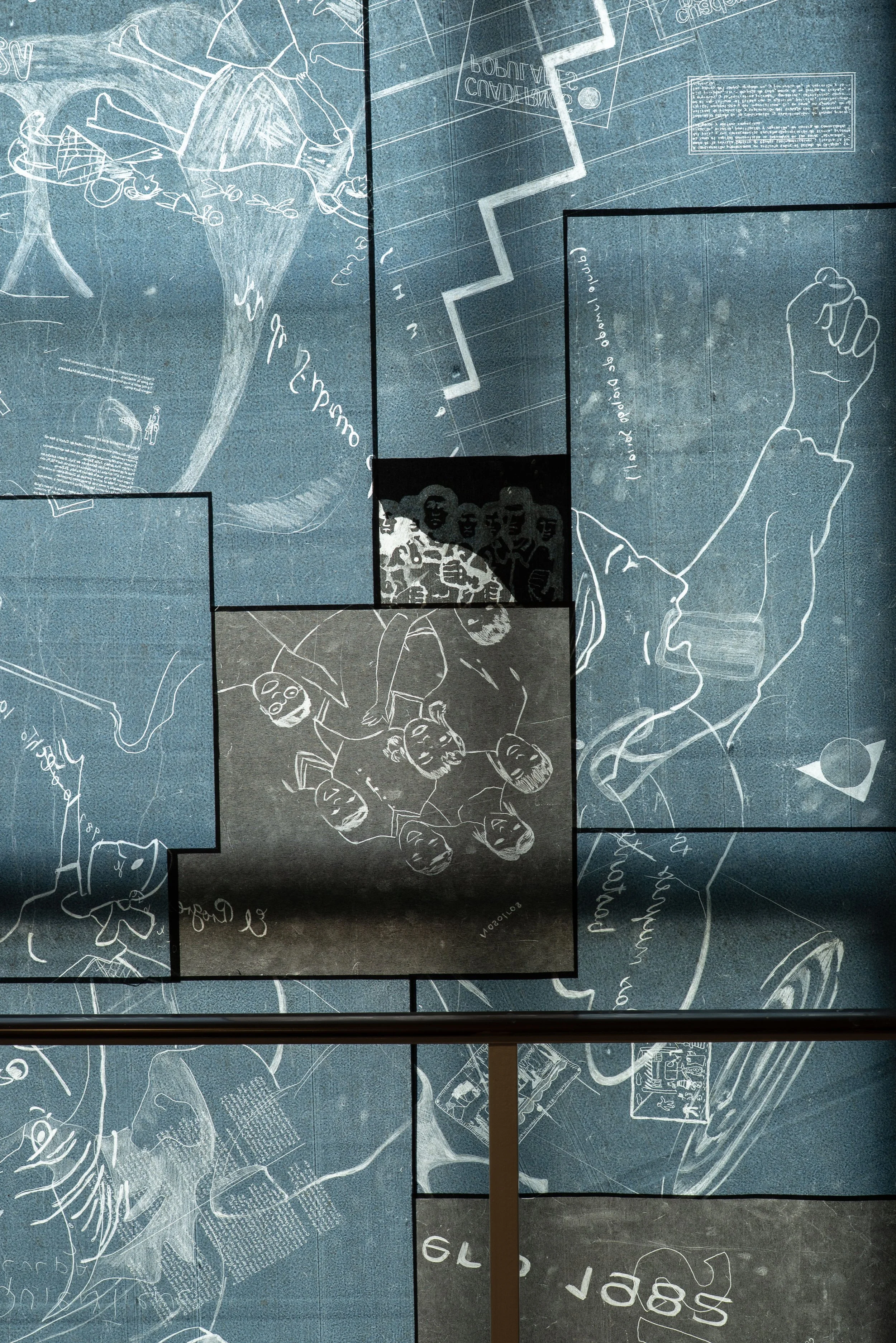
Detail
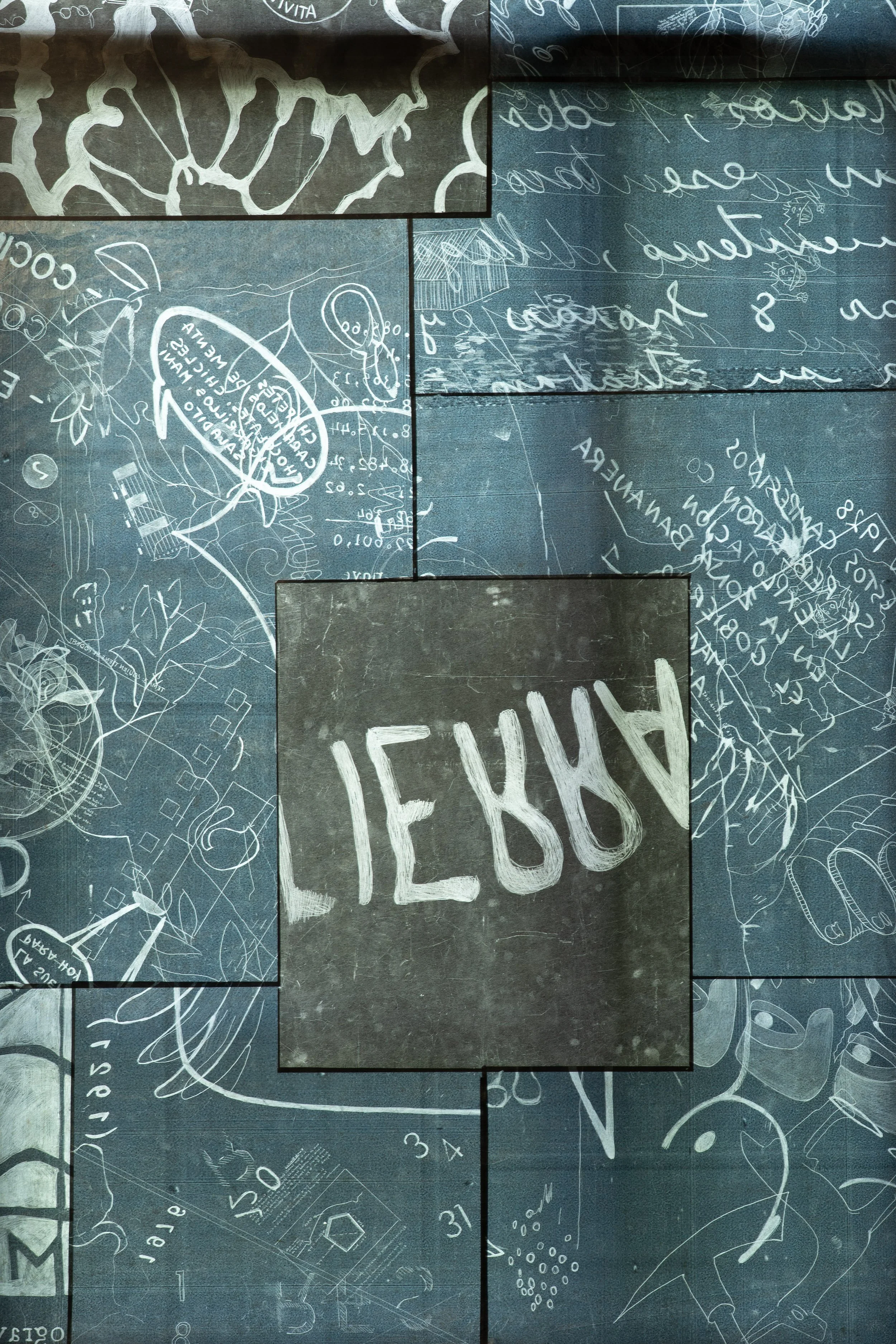
Detail
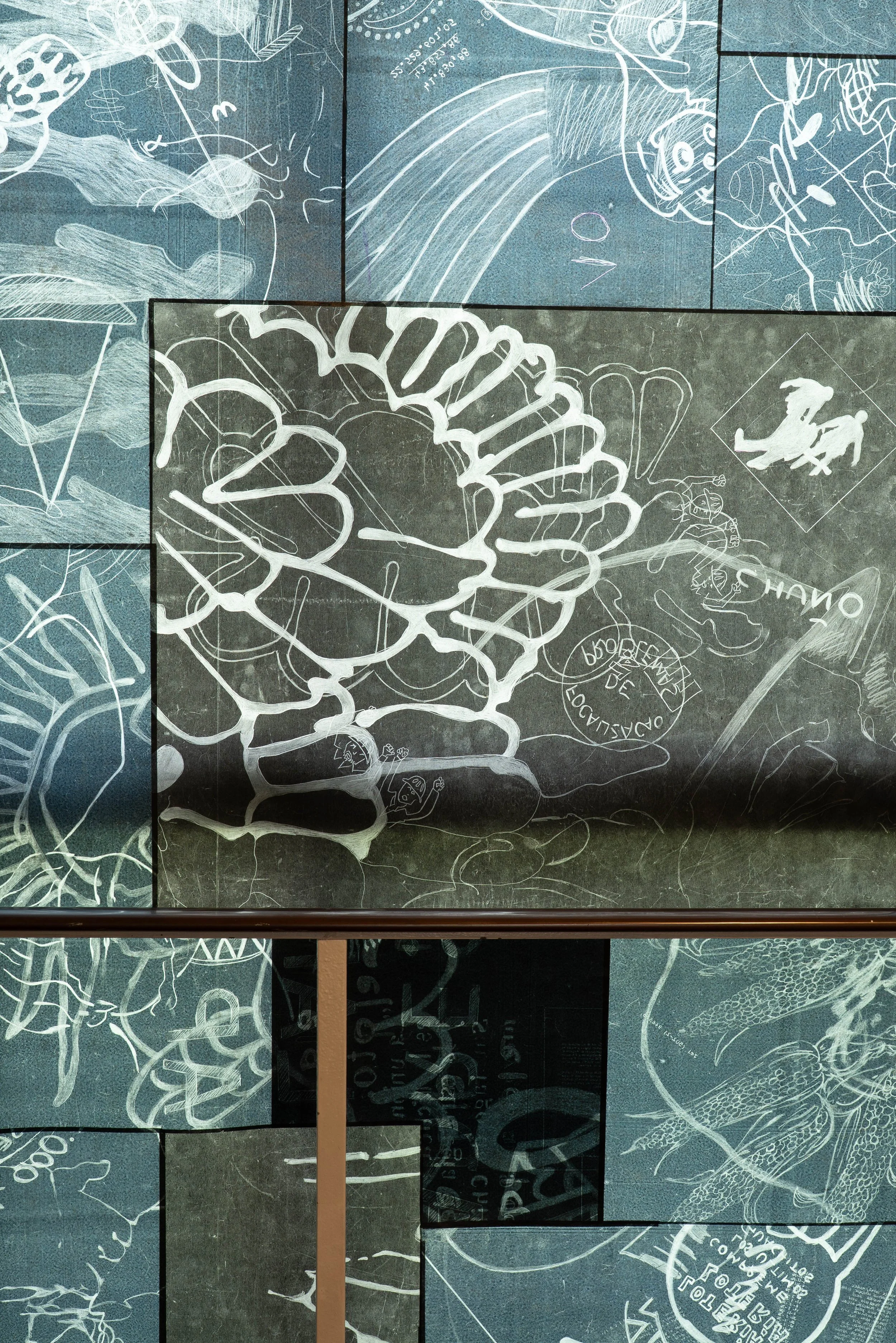
Detail
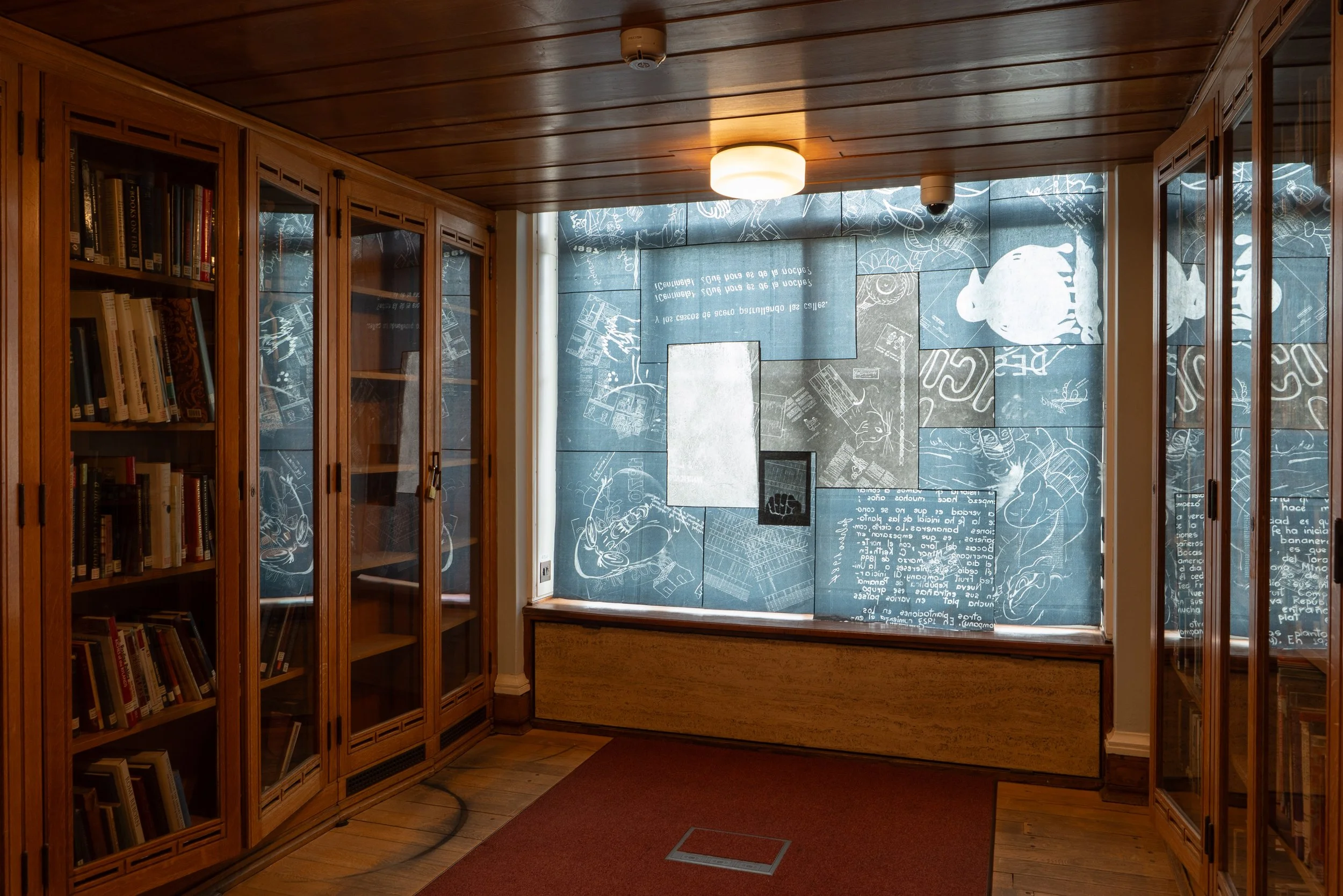
Installation View, Sterling Library
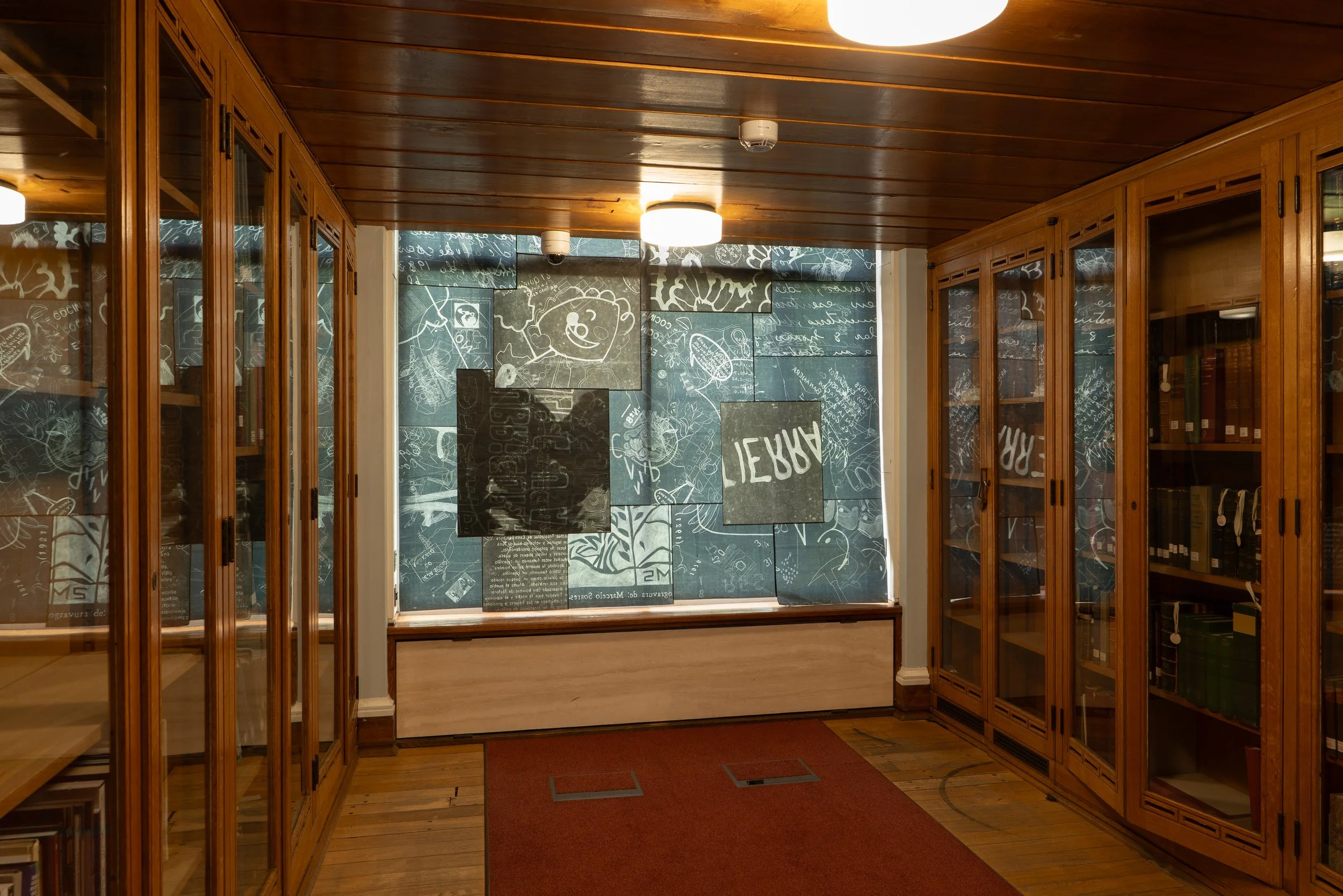
Installation View, Sterling Library
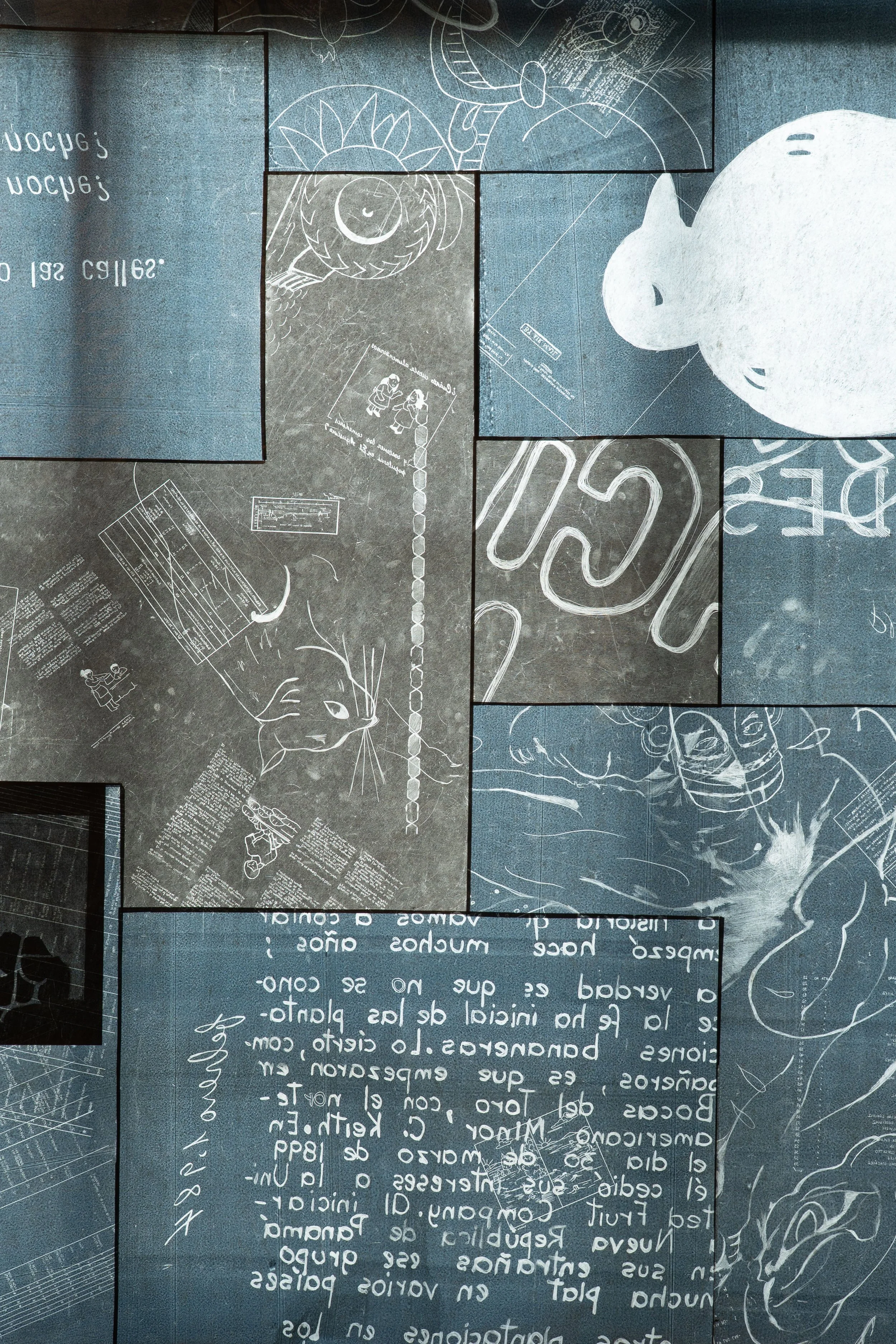
Detail
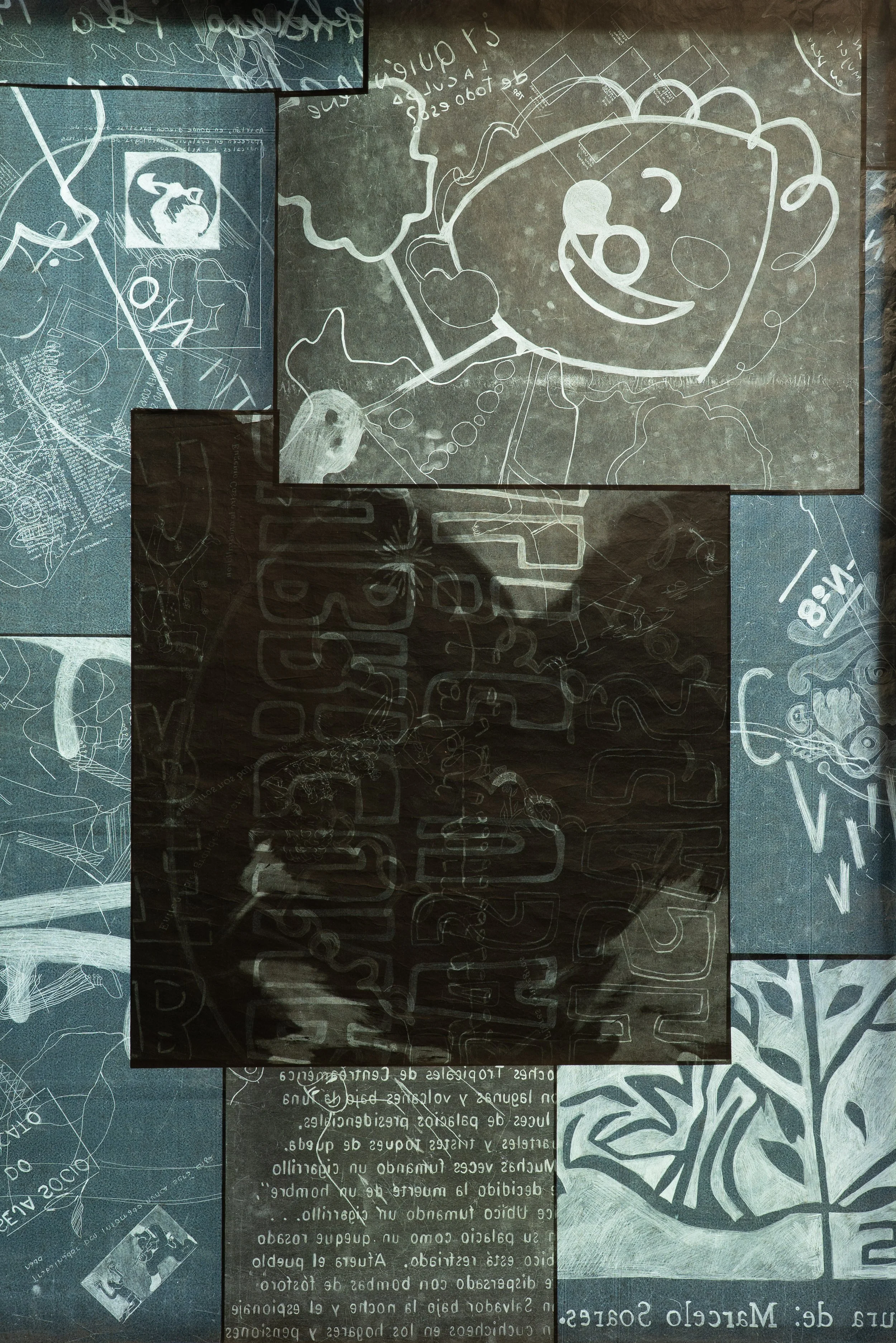
Detail
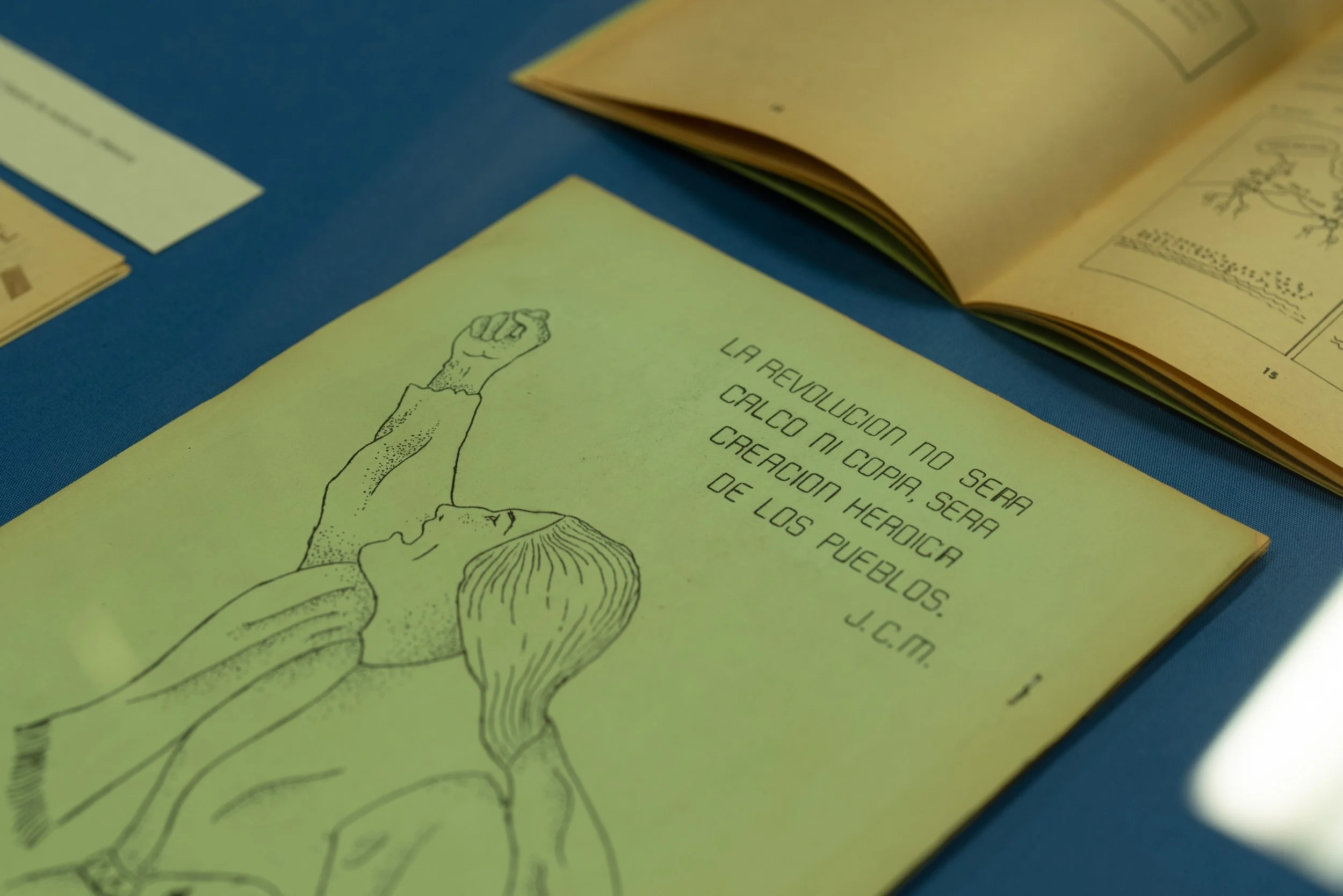
Latin American Political Pamphlets Collection, Special Collections at Senate House Library
Ni Calco Ni Copia
In 1928, Peruvian intellectual José Carlos Mariátegui famously declared that socialism in the Americas must not be “calco y copia” (calque and copy) but rather a “creación heroica” (heroic creation). Lizi Sánchez, London-based Peruvian artist and Senate House Library’s inaugural Artist in Residence, transposes this revolutionary demand from the realm of politics to the archive.
Sánchez’s exhibition draws deeply from the library’s Latin American Political Pamphlets collection. Originating from the Contemporary Archive on Latin America in 1976, this collection houses some four thousand items, including election posters, human rights bulletins, and clandestine documents produced to be rapidly multiplied and passed from hand to hand.
Sánchez engages with these historical documents through a method of “reading by drawing”. She meticulously traces the original marks, headlines, diagrams, and illustrations, physically reenacting the speed and movement of the hands that first made them. By extracting and enlarging overlooked motifs from the margins of these pages, she shifts our focus toward the visual language, graphic economy, and fragmented nature of the archive.
The focal point of the exhibition consists of two monumental drawings rendered on carbon copy paper, installed across two facing windows in the Sterling Library. The carbon paper shares the same duplicating DNA as the mimeographed bulletins and typed flimsies of the era. Sánchez embraces this paradox as a traced line is literally a calco and a carbon sheet a copia. Against the glass, the carbon sheets act as blinds that dictate the daylight entering the room. The intersecting, overlapping contours on the glass create a fragmented, partially legible arrangement. This partial legibility mirrors the heavy censorship under which these historical materials were originally produced, as well as the complex, fragmented journey of their preservation.
By engaging with the pamphlets at the exact speed at which they were made, Sánchez assumes a second custody of the collection. She constructs a completely original work assembled entirely out of copies, ultimately realising Mariátegui’s call for a heroic creation within the library’s walls.
London, October 2026
Alberto Ríos La Rosa, Brooks Fellow at Tate and Delfina Foundation